

Submit a Manuscript to the Journal
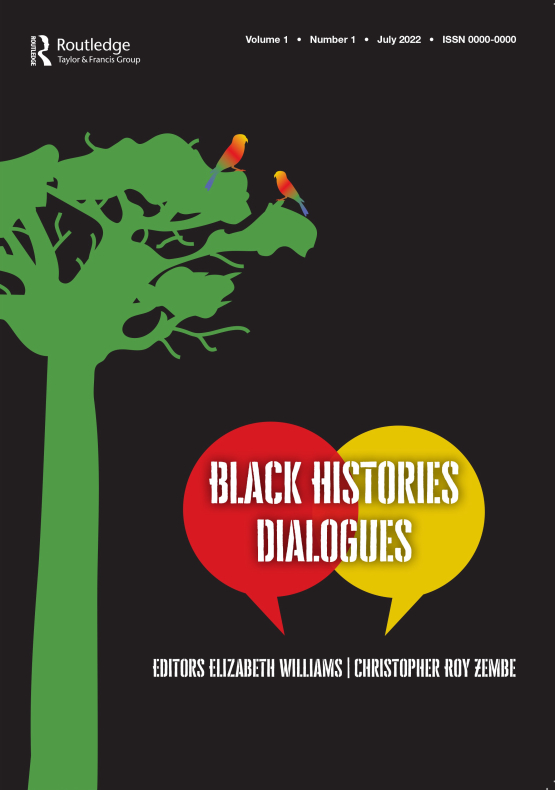
Black Histories
For a Special Issue on
Revisiting Windrush: reflecting on lessons for modern Britain.
Abstract deadline
Manuscript deadline
Special Issue Editor(s)
Dr Juanita Cox,
Institute of Historical Research
[email protected]
Dr Elizabeth Williams,
University of Edinburgh
[email protected]
Dr Lucia Llano Puertas,
University of Westminister
[email protected]
Revisiting Windrush: reflecting on lessons for modern Britain.
The term Windrush Generation was first coined by the former RAF serviceman and co-founder of the Windrush Foundation, Sam King MBE (1926–2016). Initially, it referred to 492 Jamaicans who, like King, travelled to Britain aboard the Empire Windrush in 1948. Over time, the term has evolved, taking on different meanings within Britain’s Black communities. For some, such as Trevor and Mike Phillips—authors of Windrush: The Irresistible Rise of Multi-Racial Britain (1998)—it denotes Caribbean subjects who settled in the UK during the two decades following World War II. In the wake of the Windrush Scandal, the term has broadened to include those who arrived between 1948 and 1971 (or up to 1 January 1973, when the 1971 Immigration Act came into force).
Yet, the term remains contested. Is it defined by class, applying only to economic migrants and excluding students? Does it include only those born in the Caribbean, or also their UK-born children? Does it encompass migrants of all ethnic backgrounds from the Caribbean and/or the new Commonwealth? Ongoing debates around citizenship, belonging, and identity — remain deeply relevant in 21st-century Britain. As we navigate the complexities of modern society, reflecting on the Windrush legacy offers profound insights into historical injustice, the ongoing pursuit of social justice and equality. It serves too as a poignant reminder of the resilience and creativity that is born from adversity.
This special issue aims to feature original contributions that re-examine the Windrush generation through fresh and interdisciplinary lenses—historical analysis, creative arts, poetry, visual culture, music, and more. We aim to explore how Windrush narratives continue to shape contemporary understandings of race, migration, and identity in Britain. Central to this discourse is the accountability of the British state: how have institutions addressed past injustices, and what does meaningful redress look like?
Key themes may include (but are not limited to):
- The role of the British state in perpetuating and redressing injustice.
- Black British identity, oral histories and intergenerational memory work.
- Legal frameworks and Black agency.
- LGBTQ+ experiences within Caribbean migrant communities.
- The place-based histories of the Windrush generation across UK cities and towns.
- The pioneering contributions of the Windrush generation (e.g., credit unions, education, healthcare).
- Community archiving and alternative historical methods.
- Intersections with other Commonwealth migrant experiences (e.g., African and South Asian communities).
- Silences within Caribbean communities: what remains unspoken?
We especially welcome submissions that challenge dominant narratives, amplify marginalised voices, and offer new insights into the lived experiences of the Windrush generation and their descendants.
Submissions will be peer-reviewed by historians and thought leaders across the humanities. We encourage proposals from early career researchers, scholars, artists, activists, and community historians.
Submission Instructions
Abstract Submission Details
- 250 words max by 13 February 2026.
- Email abstract to the guest editors, Dr Juanita Cox ([email protected]), Dr Elizabeth Williams ([email protected]), and Dr Lucia Llano Puertas ([email protected])
Manuscript Submission Details
- 8,000 words max by 13 November 2026
- Upload your completed manuscript/submission to ScholarOne by selecting the "special issue title". Then choose the option for "Revisiting Windrush: Reflecting on Lessons for Modern Britain".
Publication Date:
- Spring 2027
Submission types:
We are seeking contributions that re-examine the Windrush generation through a fresh, interdisciplinary lenses. This includes but is not limited to historical analysis, creative arts, poetry, visual culture, and music.