
Submit a Manuscript to the Journal
Gut Microbes
For an Article Collection on
Microbiome and Host Immune Development in Early Life
Manuscript deadline

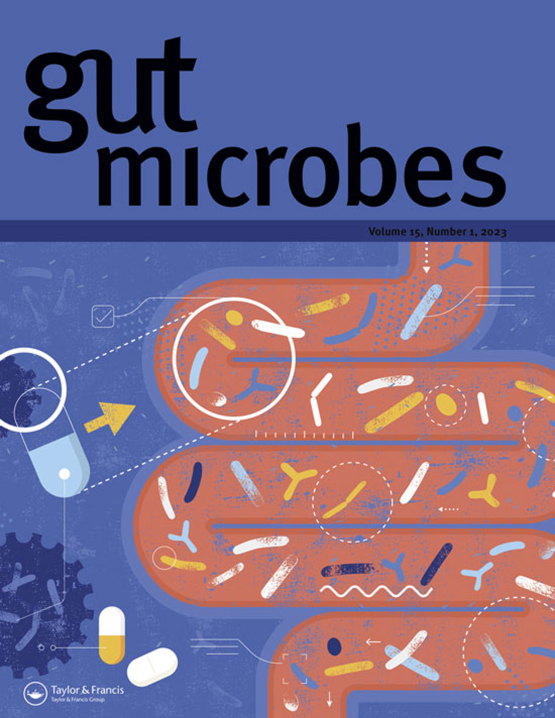
Article Collection Guest Advisor(s)
Prof. Yan He,
Zhujiang Hospital, Southern Medical University, China
[email protected]
Prof. José Carlos Clemente Litrán,
Icahn School of Medicine at Mount Sinai, USA
[email protected]
Prof. Hai Li,
University of Science and Technology of China, China
[email protected]
Microbiome and Host Immune Development in Early Life
The symbiotic relationship between the resident microbiome and the host immune system is fundamental to maintain systemic homeostasis. During early life, the host immune system undergoes critical phases of development. This maturation trajectory is continuously shaped by the diverse microbial communities colonizing the gastrointestinal tract and other mucosal niches. At the same time, the immune system functions as a critical determinant of composition, diversity, and spatiotemporal colonization patterns of these microbes.
The delicate equilibrium between the microbiome and the immune system dictates host health. Perturbations in this bidirectional crosstalk are particularly significant during early life, a critical developmental window during which disruption of immune training can increase the risk of immune-mediated and neurodevelopmental conditions. Elucidating the physiological and pathological mechanisms underlying microbiome-immune co-development is therefore of profound biological and clinical significance. Importantly, most work to date has considered these components in isolation, and an important knowledge gap remains in our understanding of how synergistic interactions between immune system and microbiome shape host development. Studies that identify joint microbial and immune signatures therefore offer an unprecedented opportunity to discover novel therapeutic targets, develop diagnostic biomarkers, and rigorously design targeted microbiome-directed interventions and clinical trials.
This Article Collection aims to compile innovative contributions that advance our mechanistic understanding of microbiome and host immune maturation during early life. The Article Collection highlights the dynamic, bidirectional crosstalk between host immunity and microbial ecosystems, encompassing bacteria, viruses, fungi, and their specific metabolites. We welcome translational and mechanistic studies exploring this co-developmental axis utilizing robust in vitro systems, animal models, or clinical cohorts.
We invite Original Research, Comprehensive Reviews, and Brief Reports that navigate the intersection of microbial ecology and developmental immunology. Key subtopics of interest include:
- Host-to-Microbe Regulation: Cellular and molecular mechanisms by which innate and adaptive immunity shape microbial colonization, structural diversity, functions and succession.
- Microbe-to-Host Priming: How commensal microbes and their functional metabolites orchestrate the establishment, structural maturation, functions and tolerance of the host immune system.
- Pathogenesis of Immune-Mediated Disorders: The impact of host-microbe dysregulation on the etiology and progression of autoimmune conditions, infectious susceptibility, and neuro-immune or neurodevelopmental disorders.
- Clinical Translation and Therapeutics: Preclinical models and clinical trials focusing on targeted diagnostic biomarkers and microbiome-directed therapies, including rationally designed consortia and precision interventions, to mitigate immune-related diseases.
Keywords
- Microbiome evolution
- Immune development
- Mucosal immunity
- Immune tolerance
- Host-microbe interactions
All manuscripts submitted to this Article Collection will undergo a full peer-review; the Guest Advisor for this Collection will not be handling the manuscripts (unless they are an Editorial Board member).
Please review the journal scope and author submission instructions prior to submitting a manuscript.
The deadline for submitting manuscripts is 31 March 2027.
Please contact Zhiyuan Zhang at [email protected] with any queries and discount codes regarding this Article Collection.
Please be sure to select the appropriate Article Collection from the drop-down menu in the submission system.
Guest Advisors
Dr. Yan He is a Professor in the Department of Laboratory Medicine at Zhujiang Hospital, Southern Medical University. His research focuses on microbiome medicine, particularly the assembly of early-life microbiota and its relationship with diseases. He has developed a series of algorithms to investigate the patterns of microbiota colonization and development, explored the role of microbiota maturation in host immune tolerance and related diseases, and actively explores microbiota-based diagnosis and intervention technologies and promotes clinical trials. He has published in Nature Medicine (featured as a cover article), Cell Host & Microbe, Gut and etc.
Dr. Jose C. Clemente is a Professor in the Department of Genetics and Genomic Sciences and Co-Director of the Microbiome Translational Center at Mount Sinai School of Medicine in New York, NY (USA). His research is focused on the development of experimental and computational methods to characterize the microbiome. His group has made seminal contributions to understand the microbiome of human populations and its relation to immune diseases, and has pioneered the use of microbial interventions to modulate the microbiome therapeutically. He has published over 120 articles and is currently an Associate Editor of the journal npj Biofilms and Microbiomes.
Dr. Hai Li currently serves as a professor and doctoral supervisor at the University of Science and Technology of China. His primary research focuses on the interaction between microbiota and host immunity in gut commensalism using simplified mono-colonization models. To date, he has published 29 high-impact research papers, including first-author publications in journals such as Nature, Immunity, Cell Research, Nature Communications, and The EMBO Journal. His work has been cited over 4,500 times, with an H-index of 21. He has received the Pfizer Basic Research Award and the Swiss Association for Liver and Intestinal Diseases Annual Special Award.
Benefits of publishing open access within Taylor & Francis
Global marketing and publicity, ensuring your research reaches the people you want it to.
Article Collections bring together the latest research on hot topics from influential researchers across the globe.
Rigorous peer review for every open access article.
Rapid online publication allowing you to share your work quickly.
Submission Instructions
All manuscripts submitted to this Article Collection will undergo desk assessment and peer-review as part of our standard editorial process. Guest Advisors for this Collection will not be involved in peer-reviewing manuscripts unless they are an existing member of the Editorial Board. Please review the journal Aims and Scope and author submission instructions prior to submitting a manuscript.