
Nocebo Phenomena in Pain and Neurological Conditions
Submit your research to Pain Management
About the Article Collection
There is a wealth of evidence to show that the placebo effect does not negatively affect medical treatments. On the contrary, the nocebo phenomenon significantly affects tolerability, resulting in low adherence to treatment and negative outcomes that affect the quality of life of patients. The awareness of the nocebo phenomenon is limited in the medical field and systematic training of healthcare professionals is required to recognize it and develop strategies to manage it.
This Article Collection will highlight and analyse the nocebo phenomenon in pain medicine and neurology, with topics including (but not limited to):
Nocebo in headaches
Nocebo in orofacial pain
Nocebo in chronic pain
Nocebo hypoalgesia and hyperalgesia
Nocebo in visceral pain
Nocebo in musculoskeletal pain
Nocebo in fibromyalgia

We welcome many article types that may include the following: Original Research Articles, Clinical Trial Protocols, Reviews and Perspectives, Editorials, Podcasts, Patient Perspective, How I Treat, Drug and Device Evaluations, Plain Language Summaries of Publications (PLSPs). A detailed list is included at the bottom of this page.
Please note that there is no APC for standard publication in the journal. The journal also offers Open Access and an Accelerated Publication option that provides publication in as little as seven weeks from submission (both subject to fees). We can offer a wide range of publishing solutions to maximise the impact of your published article, including infographics, graphical abstracts and standalone video articles hosted on the Video Journal of Biomedicine.
The benefit of publishing as part of an Article Collection is that they often become a key resource, driving a research community forward. This has a synergistic effect on every article in the Collection. The articles often receive more views and higher citation numbers as the Collections receive increased promotion via social media and our marketing team.
If you are interested in contributing, or would like to learn more, then please reach out to the Commissioning Editor, Thomas York, who will be happy to assist.
About the Guest Advisors
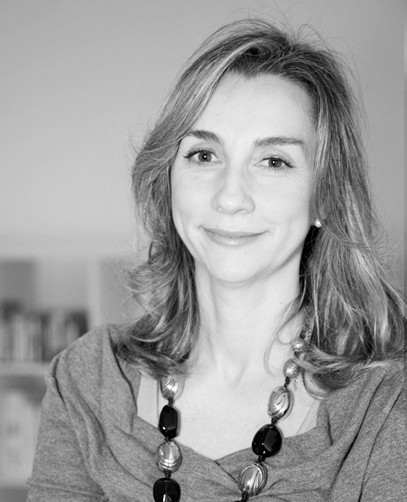
Martina Amanzio
Martina Amanzio is a cognitive neuroscientist specialising in placebo and nocebo mechanisms, pain modulation, and the neuropsychophysiology of ageing and neurodegenerative disorders. She is a Full Professor of Neuropsychology and Cognitive Neuroscience at the University of Turin, Italy.
Professor Amanzio has participated in major European research initiatives, including the European Innovation Partnership on Active and Healthy Ageing and the COST Action TD1005 on pain assessment in patients with cognitive impairment. Her research has been supported by national and international funding bodies.
She has authored over 80 peer-reviewed publications, contributing to the understanding of adverse events in clinical trials and neuropsychophysiological processes in pain and cognitive disorders.
ORCID: https://orcid.org/0000-0002-2504-032X
A list of their published work can be found here.

Dimos-Dimitrios Mitsikostas
Dimos-Dimitrios Mitsikostas is a Professor of Neurology at the Aeginition Hospital, School of Medicine, National & Kapodistrian University of Athens (NKUA), Greece, head of the Headache Outpatient Department and Ward A of Emergency Neurology and Stroke. He is a member of the Management Group of the Headache Scientific Group and a member of the Coordinating Committee for Functional Neurological Disorder at the European Academy of Neurology. He serves as President of the Hellenic Headache Society. He is former President of the Executive Board of the European Headache Federation.
His clinical and experimental work focuses on headaches, placebo/nocebo, and multiple sclerosis (MS), and he has lectured nationally and internationally on these topics. He is involved in several clinical trials for headaches and MS. He has authored more than 230 peer-reviewed papers with more than 20,000 citations (h-index 59) and served as editor/co-editor of eight textbooks. He currently works as an Associate Editor for the Journal of Headache and Pain and Frontiers in Neurology, and is a Reviewer and/or Member of the Advisory Boards of several international peer-reviewed medical journals. He is also a member of several national and international societies.
Prof. Mitsikostas graduated from the School of Medicine of Aristotle’s University, Thessaloniki, Greece and obtained his PhD in experimental neuropharmacology from NKUA, Greece. Certified in Neurology at Aeginition Hospital, NKUA, Greece. His postdoctoral studies focused on experimental molecular pharmacology of cephalic pain at Harvard Medical School, Boston, MA, USA and at the Institute of Neurology, University College London, UK. Before moving to NKUA, he served as head of the Neurology Department of the Athens Naval Hospital, in the Hellenic Navy.
ORCID: https://orcid.org/0000-0002-4691-3388
A list of their published work can be found here.
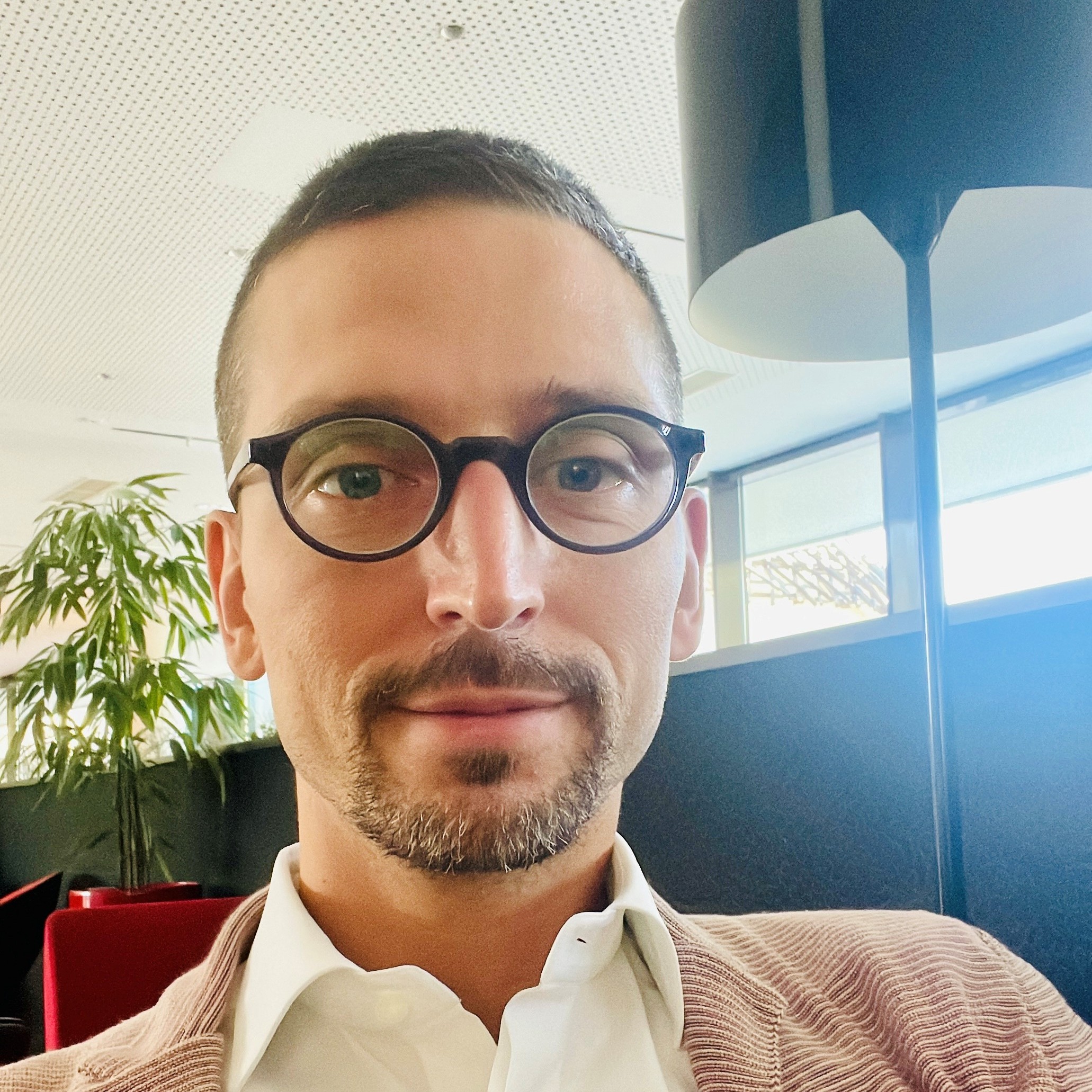
Dr Giacomo Rossettini
Dr Giacomo Rossettini is a musculoskeletal physiotherapist, lecturer, and researcher from Italy. He holds a Bachelor’s degree in Physiotherapy (2008), a Master’s degree in Rehabilitation of Musculoskeletal Disorders (2010), and a Master’s degree in Rehabilitation Sciences (2014). In 2018, he obtained a PhD in Neuroscience. Since 2009, he has specialised in the rehabilitation of musculoskeletal disorders.
He is a lecturer in Manual Therapy in the Master’s Programme in Physiotherapy and Rheumatology at Sapienza University of Rome. He also teaches at the University of Verona, where he lectures in Functional Kinesiology within the Bachelor’s Programme in Physiotherapy and in the Master’s Programme in Rehabilitation Sciences for Health Professions. He is currently a visiting research fellow at Universidad Europea de Madrid, affiliated with the Musculoskeletal Pain and Motor Control Research Group (Spain), and an honorary visiting research fellow at Health Sciences University, Bournemouth, England.
Dr Rossettini has authored more than 140 publications in peer-reviewed scientific journals in the fields of physiotherapy and rehabilitation and has delivered over 60 lectures and presentations at universities, conventions, and national and international conferences.
His teaching, clinical, and research activities focus on musculoskeletal rehabilitation and pain, with particular emphasis on placebo and nocebo effects and on contextual factors influencing therapeutic outcomes.
ORCID: https://orcid.org/0000-0002-1623-7681
A list of their published work can be found here.
Submission information
Submission deadlines:
Standard track: July 31st, 2027
Accelerated Publication: September 4th, 2027
Accelerated Publication Plus: October 30th, 2027
We welcome many article types that may include the following:
Original Research Articles: Research Articles should present novel work that makes a significant impact within the scope of the journal, and which represents an important advancement in knowledge or understanding. Pain Management accepts various types of original research, including Preliminary/Rapid Communications (2000–4000 words) and full Research Articles (5000–8000 words).
Clinical Trial Protocols: Our clinical trial protocol articles (2000-4000 words) in are very much like the TiPs and TPS posters presented at congresses that describe the rationale and design of a clinical/observational study without providing any trial results. We frequently publish clinical trial protocol articles to provide researchers and HCPs with up-to-date, peer-reviewed information on a specific ongoing study. These articles help to provide a useful background to aid in trial recruitment and general awareness of the ongoing study.
Reviews and Perspectives: Reviews (4000-8000 words) aim to highlight recent significant advances in research, ongoing challenges and unmet needs. Perspectives have the same basic structure and length as review articles; however, they should be more speculative and very forward looking. They offer the author the opportunity to present criticism or address controversy. Shorter-form articles of this style are categorised as Special Reports (2000-4000 words).
Editorials: short articles that provide an insight into, or snapshot of issues of topical importance. The intention is that the editorial (~1500 words) should offer an expert perspective on a topic of recent interest.
Podcasts: Podcast articles (1500-3000 words) offer a different channel to inform health care professionals of new literature. These can be standalone podcast articles or podcasts that accompany a manuscript.
Patient Perspective: Patient perspectives (2000-4000 words) are personal commentaries authored by those closely impacted by long-term health conditions, for example patients, advocates, relatives, or caregivers & HCP. The sharing of these personal experiences aims to enhance the voices of patients and their advocates, ensuring that addressing the challenges of living with health conditions and their impact on patient’s lives are placed at the forefront of strategies to develop and improve clinical practice.
How I Treat: How I Treat articles (4000-6000 words) allow authors to provide an expert perspective on the treatment of certain diseases, describing their own experiences and providing practical considerations and guidance for the successful treatment of the disease. These are not intended to be case studies. How I Treat articles have the same basic structure and length as Review articles; however, they should be more speculative and forward-looking. They offer the author the opportunity to present criticism, address controversy or provide a personal angle on a significant issue. Authors are encouraged to be opinionated, with all positions concisely and clearly argued and referenced.
Drug and Device Evaluations: These articles (4000-6000 words) should provide a concise review of the development, pharmacology/technology and efficacy of a specific drug or device, with a primary focus on clinical and real-world evidence. Authors are encouraged to provide critical appraisal of the most important and up-to-date information on the role of the drug/device in clinical practise and discuss the likely impact it will have on the management of pain.
Plain Language Summaries of Publications (PLSPs): These are standalone articles published in the journal with their own unique DOI and are thus fully citable. They are plain language, visually enriched articles that provide a summary of a key publication, from an Expert Medicine journal or elsewhere. PLSPs are written by authors of the original publication, ideally with a patient as co-author (although this is not mandatory). Additional authors not involved with the original publication can be included in the PLSP; however, they must meet the authorship criteria stipulated by the ICMJE. Following submission of the PLSP to the appropriate Expert Medicine journal, prior to styling into our PLSP template, it will be externally peer reviewed for readability and understanding by suitable individuals selected by the Journal Editor on the basis of experience and expertise. Separate guidelines are available for the preparation of standalone PLSPs. If you are interested in submitting a standalone PLSLP, please contact [email protected] to discuss the next steps.
Reasons to publish with us
Gain recognition from an international audience and increase your opportunities for future collaboration
Receive 50 free e-prints & promotional tips on promoting your article courtesy of our Author Services site
Immediately see the impact of your research made in the community by tracking downloads, citations, and the Altmetric Score of your article on My Authored Works
Increase the discoverability of your research with MEDLINE listings and more
Accelerated Publication
If time is critical in your publishing strategy, our Accelerated Publication options are available on a select number of biomedical journals and can help you get your research into a high-quality, peer-reviewed journal, fast.
Plain Language Summaries
When you are ready to submit your article, communicate the significance of your original research in a clear language to a broad audience using Plain Language Summary.
Open Access
Open access makes published academic research freely and permanently available so anyone, anywhere can read and build upon this research. We champion researcher choice with a variety of open access publishing options to meet the unique needs of each author.
Discover the Expert Collection
The Expert Collection is the world’s largest series of review journals in clinical medicine and R&D. Expert Collection articles present the personal opinions of our authors, all internationally recognized experts in their fields. They share their insights about where research is now, where it should go next, and how it should get there.

Editing Services
Pre-submission manuscript preparation can help you maximize the impact of your research and improve the quality of your manuscript. Services include English Language Editing, Scientific Editing, Manuscript formatting, and many more!